
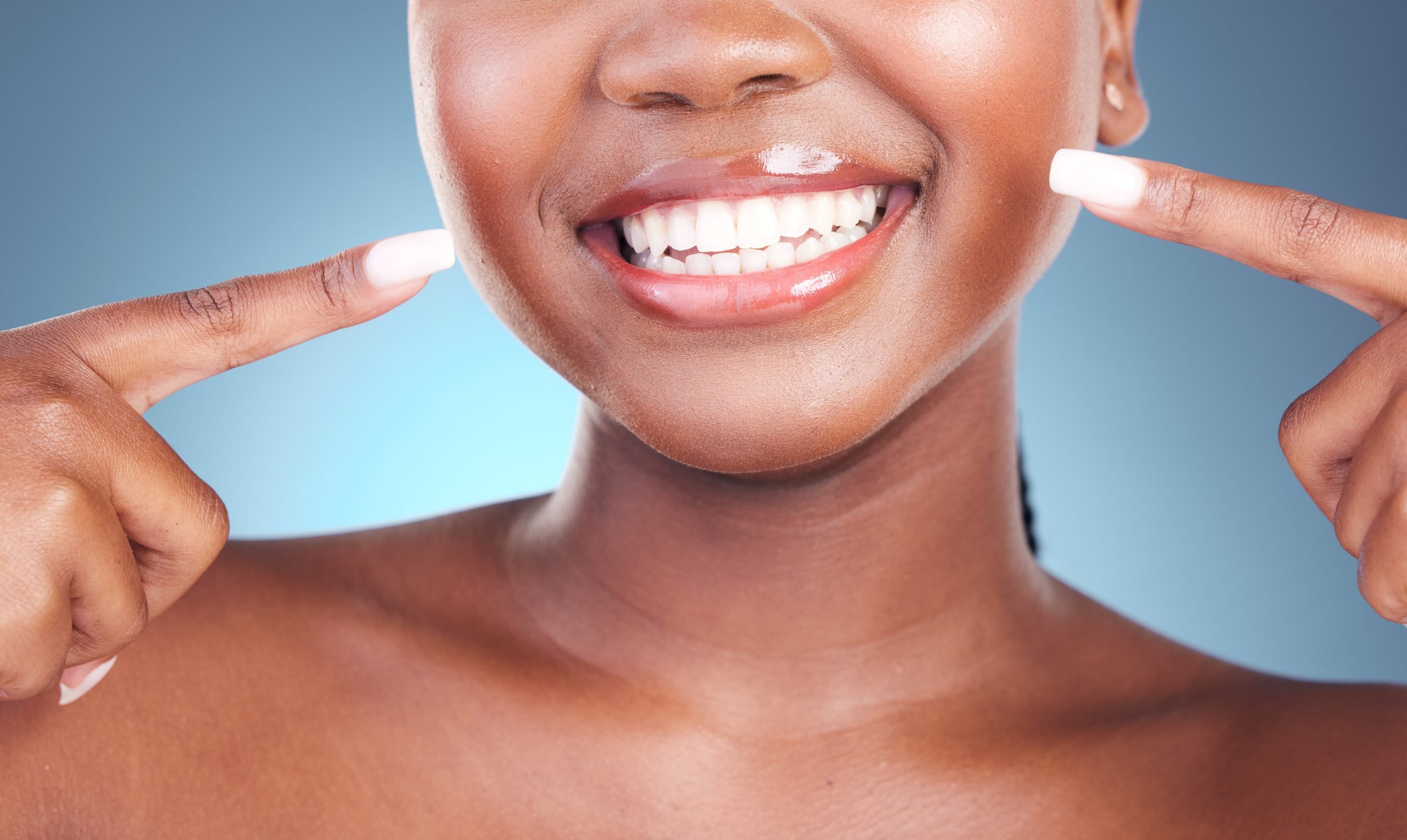
Most of us know brushing, flossing, and seeing the dentist matter—but few realize just how deeply our teeth impact our overall wellbeing. It’s not just about having a nice smile or avoiding cavities. More women over 65 are beginning to ask an important question: Can bad teeth cause health issues? And perhaps even more concerning: Can bad teeth cause health problems that affect the rest of your body?
The answer is yes—and the connection between oral health and general health is stronger than many people think.
Your mouth is a powerful gateway. It’s where digestion begins and where bacteria can either be controlled or allowed to travel through your bloodstream. When oral health breaks down—whether through gum disease, infection, or bone loss—it doesn’t stay isolated.
In fact, studies increasingly show that chronic dental conditions may be linked to broader health concerns like cardiovascular disease, arthritis, and fatigue. So, if you’re starting to feel the effects of aging and wondering why, it may be time to look inside your mouth.
Absolutely. Oral inflammation can have ripple effects. For example:
If you’ve asked yourself lately, “Can bad teeth cause health issues that explain how I’ve been feeling lately?”—you’re not alone.
Inflammation from oral infections doesn’t just stay in your mouth—it can trigger a chain reaction in the body. Researchers have found that oral bacteria can enter the bloodstream and contribute to chronic inflammation, which plays a role in heart disease, high blood pressure, and even cognitive decline. This is especially relevant as we age, since the immune system becomes more vulnerable. Regular dental care isn’t just about clean teeth—it’s an essential part of reducing the inflammatory burden across the entire body. Many individuals assume symptoms like fatigue or indigestion are age-related, when dental health may be playing a role.
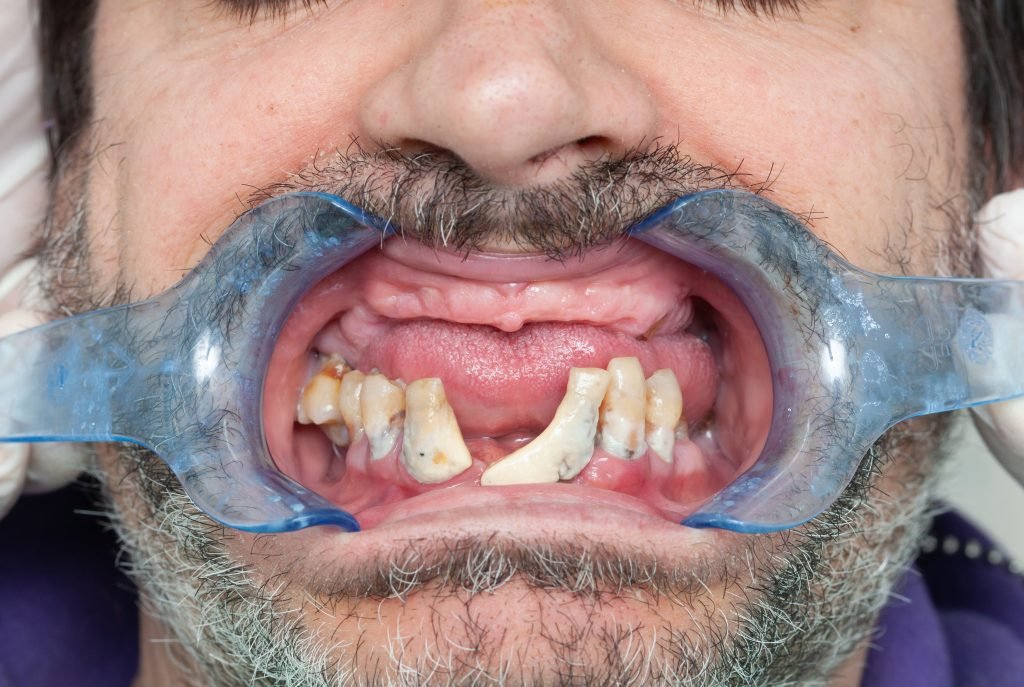
We often overlook how dental issues affect our mental well-being. Avoiding smiling in photos, skipping meals in public, or covering your mouth when laughing can quietly take a toll. These experiences aren’t always about looks—they’re about how we feel in our own skin. They can affect everything from how confidently you speak in meetings to how often you engage in social events.
For women who pride themselves on being active, elegant, and engaged, these shifts in confidence can feel jarring. When your teeth start to limit your lifestyle, it affects more than your appearance—it changes how you connect with others.
Yes—and that’s part of what makes oral health so critical. When a dental issue like gum infection or decay is ignored, it doesn’t simply go away. Instead, it often spreads deeper, affecting bone, tissue, or neighboring teeth.
Some individuals don’t notice a problem until it becomes urgent. This brings up an important concern: can bad teeth cause health problems serious enough to require hospital care or lead to costly treatments down the line? Unfortunately, the answer is yes.
Being proactive now can mean avoiding greater costs and complications down the road. Even teeth that look fine on the outside can harbor hidden issues like infection or nerve damage.
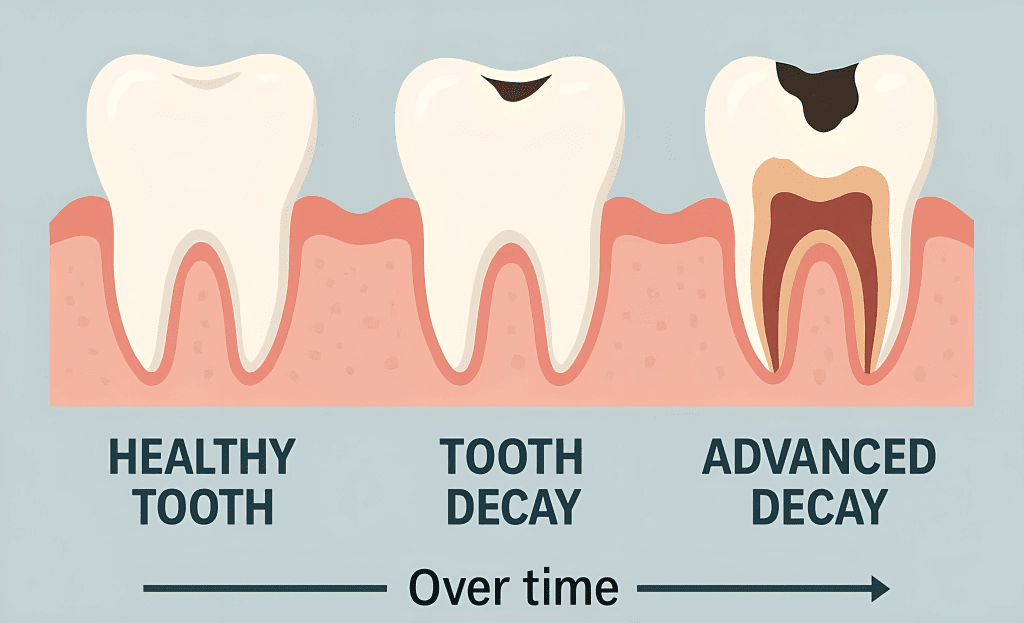
Many women in their 60s and 70s still have beautiful smiles. But underneath, there may be signs of bone loss, receding gums, or weakened roots. That’s why surface-level exams aren’t enough.
If you’ve been asking yourself, Can bad teeth cause health issues even if I don’t feel any pain?—The answer is yes. Oral health often deteriorates quietly, especially as we age.
Chewing plays a bigger role in overall health than most people realize. When teeth hurt or don’t align properly, it’s common to shy away from foods that require more effort—like crunchy vegetables or protein-rich meats. That change may seem minor at first, but over time, it adds up. It can lead to deficiencies in key nutrients like iron, vitamin B12, and fiber—vital for energy and immune strength.
So, can bad teeth cause health issues connected to digestion, nutrition, or even immune function? Absolutely. Difficulty chewing can quietly lead to poor nutrient intake, making it harder for the body to maintain strength and stability.
Many individuals begin choosing only soft, processed foods without realizing how much it impacts their wellness. In the long run, this shift can contribute to fatigue, weight changes, and other avoidable health concerns.

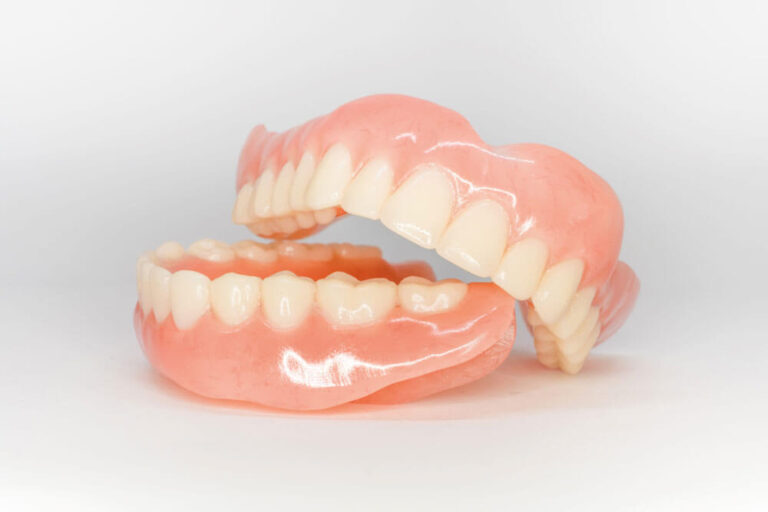
For many women, the thought of dentures feels outdated or even unappealing. You’ve likely seen others struggle with slipping plates, sore spots, or food restrictions. If you’re looking for something more natural, there are alternatives that offer better comfort and function.
The good news? You don’t need to wait until things get worse to explore your options. A healthy, functional smile is still possible—even if you’ve been putting it off.
Without question. Whether it’s difficulty chewing, frequent headaches, or trouble sleeping due to oral discomfort, these problems can affect your quality of life.
One overlooked issue is jaw alignment. A single missing tooth can shift your bite, straining your jaw joints and triggering tension throughout your neck or back. So, when people ask, can bad teeth cause health problems that feel unrelated?—they often can.
Even mild tooth pain can lead to chronic stress or fatigue, especially when you’re compensating by chewing differently or avoiding social meals.
This stage of life brings a lot of wisdom—but also unique health challenges. Fortunately, some of the changes you’re noticing may have a surprisingly manageable root cause: your oral health.
If you’ve asked yourself even once, “Can bad teeth cause health problems that explain how I’ve been feeling lately?”—it’s worth exploring. A simple dental evaluation may uncover issues that are easier (and more affordable) to correct than you think.
You’ve spent a lifetime caring for your health, your family, and your future. Now, it’s time to make sure your smile is doing its part to support your overall well-being. Dental health doesn’t just affect your teeth—it influences how you eat, sleep, feel, and connect with others. The discomforts you’ve been brushing off or assuming are just part of aging may have a more manageable cause than you think.
You don’t have to wait for something to go wrong to take action. Even teeth that look fine can hide issues that affect your body in subtle but powerful ways. A thorough dental evaluation can offer clarity, peace of mind, and—most importantly—options. You deserve to feel confident and comfortable in your own skin, starting with your smile.
Let this be the season you listen to what your body’s been trying to tell you—and take the first step toward feeling like yourself again.
Total Freedom is a custom solution and one of the most well recognized dental implants providers in Scottsdale and Phoenix.
We’re about providing the treatment that best fits you. That could mean a full set of new teeth. It could mean fewer implants than you anticipated. It could mean you don’t require any implants at all. When we can save the teeth you have, that’s what we recommend.
People travel from all over the country to Arizona for consultations and treatment with Dr. Kaiser. It’s unquestionably worth the trip.
Whether you’re seeking a first or second opinion, or even if you decide to choose another dental provider, a consultation with Dr. Kaiser will provide you with invaluable insights into your unique dental situation and the available options. You won’t be disappointed.
info@totalfreedomdental.com
Both dental implants and dentures have their pros and cons. And both dentures and dental implants have come a long way in the past 10
What Dental Implants Look Like: A Complete Guide to Natural Smiles Have you ever asked yourself, what do dental implants look like once treatment ends?
How Much Do Dental Implants Cost? Worrying about price is normal. It’s like standing in an auto repair shop after hearing a strange engine noise: