
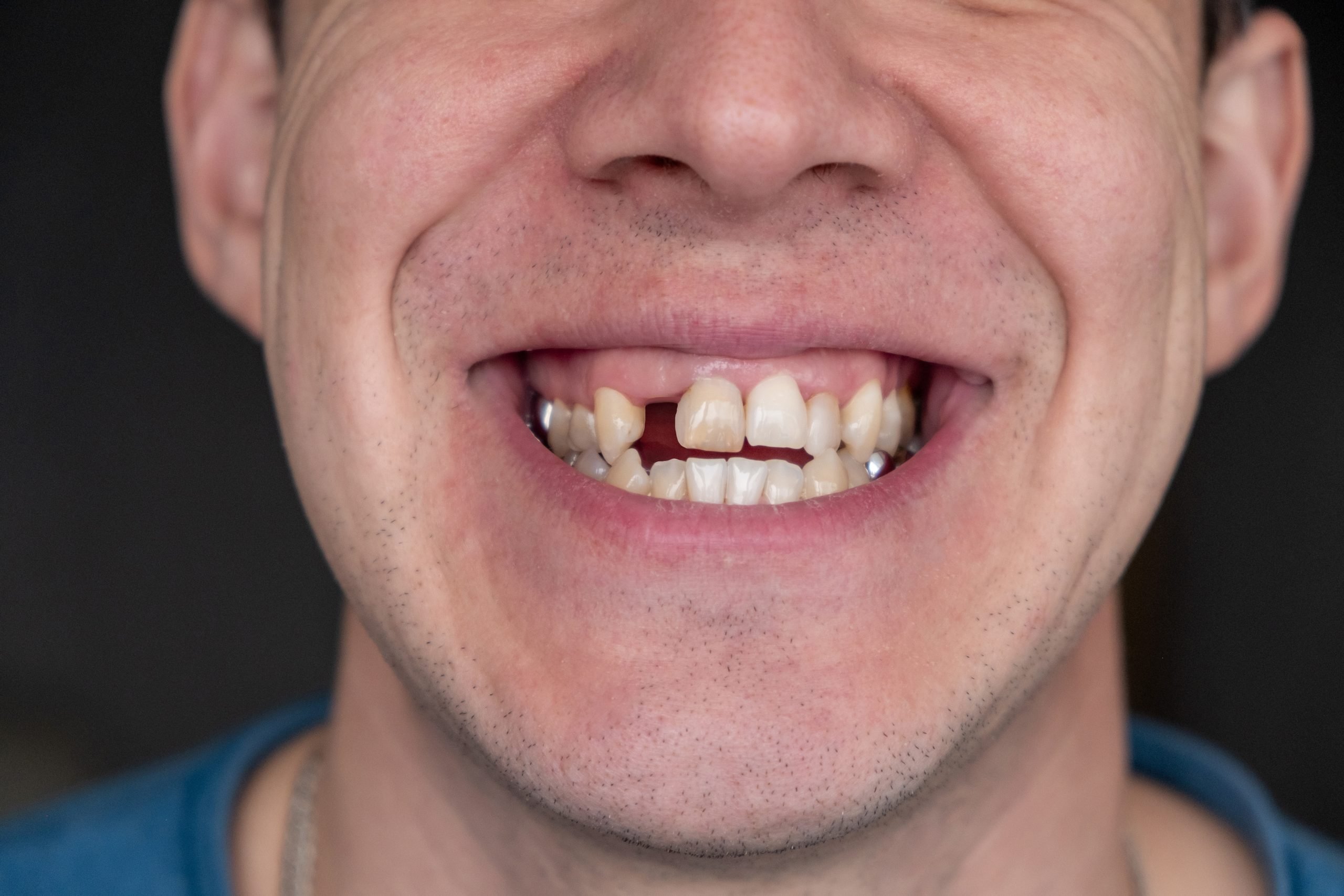
You notice it when you chew, or maybe when you catch your reflection in the mirror. A tooth is gone. At first, it doesn’t seem like a big deal. After all, you’ve still got plenty left, right?
But before you shrug it off, it’s worth asking: Is it bad to have missing teeth? The short answer: yes. Even if it doesn’t hurt right now, missing adult teeth can lead to long-term issues with your bite, jawbone, and overall health.
Let’s break down what really happens when teeth go missing, and why it’s worth acting sooner rather than later.
Your mouth is a lot like an engine. Every tooth is a gear, helping your mouth run smoothly, whether you’re chewing, biting, or speaking. When one gear (tooth) breaks or goes missing, the other gears have to work harder. Over time, that strain causes the entire system to wear out more quickly.
When you lose a tooth, the balance of your bite changes. The remaining teeth begin to shift, which can lead to crooked alignment, jaw discomfort, and more tooth loss. Missing adult teeth create a chain reaction.
Teeth that once had stable neighbors now move into open spaces. This affects how your top and bottom teeth meet, which can cause headaches, difficulty chewing, and added pressure on specific areas of the jaw.
Left untreated, missing adult teeth can also weaken the bone beneath them. Without the natural pressure of chewing, your body stops maintaining the jawbone. This leads to bone shrinkage and can make future dental repairs more complicated.
Missing back teeth may seem like no big deal because they’re not visible when you smile. But these are your molars, the teeth that do the heavy lifting when you chew. When they’re gone, the pressure gets pushed to your front teeth, which weren’t designed for that job.
Over time, missing back teeth can even affect your speech and lead to chronic tension in your face and neck.
Missing front teeth might feel more urgent because of how they affect your appearance, but they do more than complete your smile.
Your front teeth help with:
Even a single missing front tooth can change how you speak and eat. It may also cause you to favor one side of your mouth, leading to uneven strain on your jaw.
The lateral teeth are the ones just next to your front teeth. They serve as a bridge between the sharp incisors and the grinding molars. Losing these teeth can throw off the visual balance of your smile, but more importantly, it disrupts your bite.
When you have missing lateral teeth, you might experience:
Missing lateral teeth also affect how your other teeth touch when you close your mouth, which can lead to clenching or grinding.
When you lose a baby tooth as a kid, it’s exciting. But when you lose a permanent tooth as an adult, it’s a red flag.
Missing permanent teeth don’t grow back. And if the root isn’t replaced (as with a dental implant), the bone underneath begins to shrink. This process is known as bone resorption, and it can weaken your jaw, impact your other teeth, and even alter the shape of your face over time.
If you’re missing several teeth, especially missing back teeth, your jawbone is at a higher risk. It becomes harder to support dentures or bridges, and dental implants may require bone grafting if too much time has passed.

Whether it’s from age, injury, or decay, missing permanent teeth don’t grow back, and the longer they’re gone, the more damage they cause. You might still be able to eat and speak just fine, but underneath the surface, your bone and gums are slowly changing.
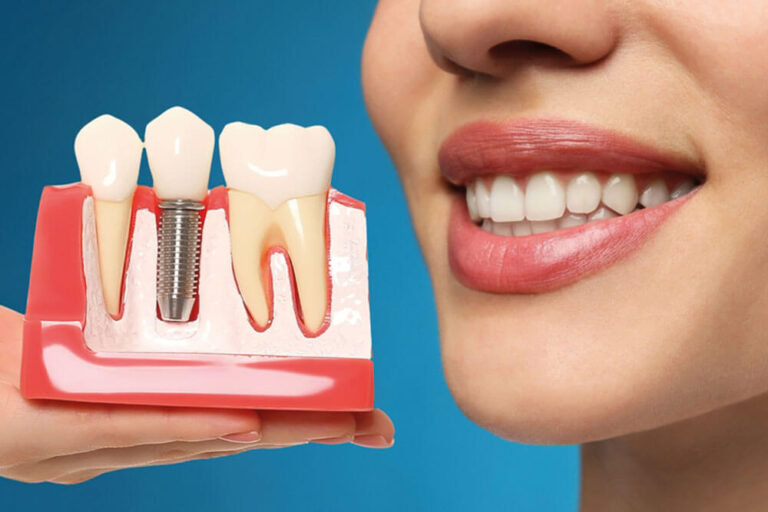
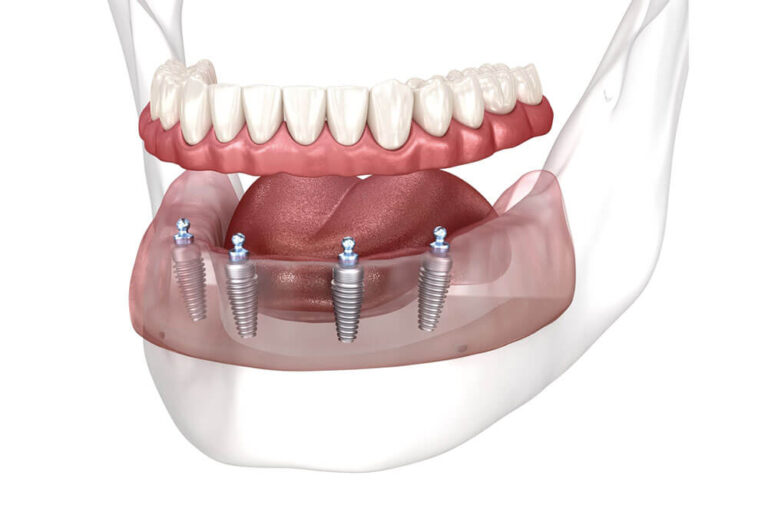
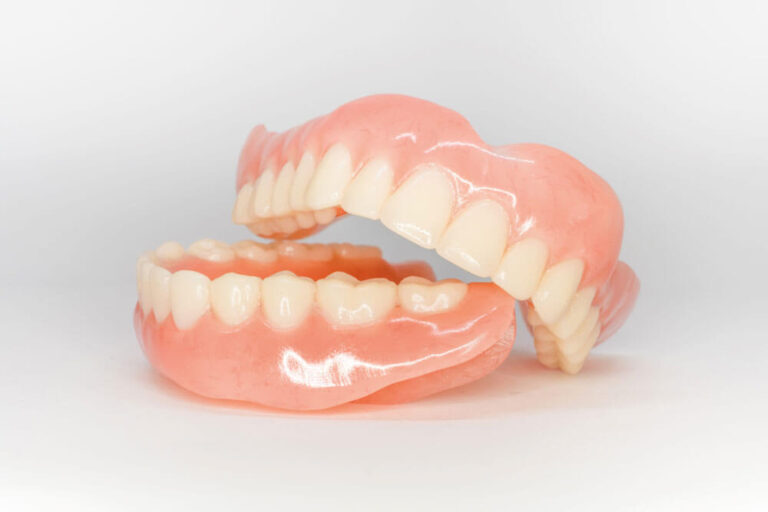
Replacing missing adult teeth or missing back teeth isn’t just about restoring appearance. It helps maintain the structure and health of your whole mouth. Options like dental implants, bridges, and partial dentures can help fill in the gaps and restore balance.
If you’re starting to lose teeth or are worried it could happen soon, this is the time to act. Here’s what you can do:
Imagine ignoring a missing gear in a classic truck. It still runs, maybe even well enough, for now. But eventually, that one missing part puts extra strain on everything else. That’s what happens with missing adult teeth.
They may not seem urgent at first, especially if you can still chew or smile with confidence. But over time, missing back teeth and missing permanent teeth can shift your bite, weaken your jaw, and impact your overall quality of life.
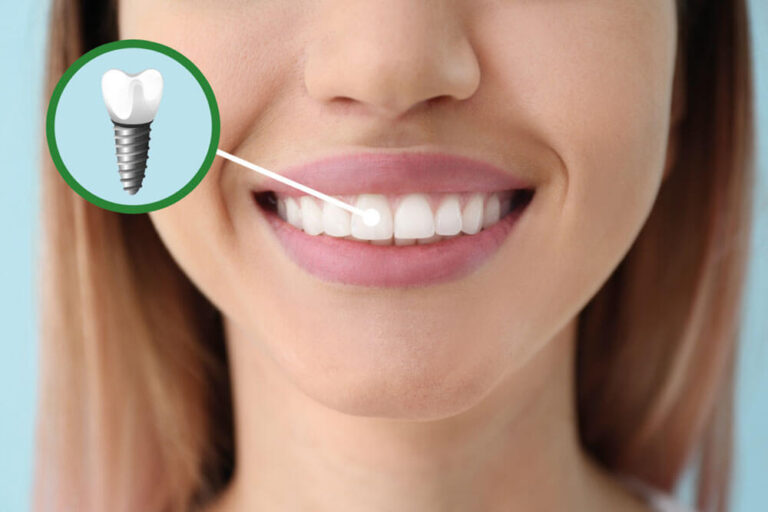
The good news? Today’s dental implants offer a strong, natural-looking way to restore what’s been lost, often with better stability and function than other options. Whether you need one implant or a full-arch solution, replacing missing permanent teeth can help preserve your jawbone, protect your bite, and give you long-term peace of mind.
Worried about missing adult teeth or other teeth you’ve lost? Call Total Freedom Dental Implant Center today to schedule a consultation with our dental implant specialist for the best solution for your long-term oral health.
Total Freedom is a custom solution and one of the most well recognized dental implants providers in Scottsdale and Phoenix.
We’re about providing the treatment that best fits you. That could mean a full set of new teeth. It could mean fewer implants than you anticipated. It could mean you don’t require any implants at all. When we can save the teeth you have, that’s what we recommend.
People travel from all over the country to Arizona for consultations and treatment with Dr. Kaiser. It’s unquestionably worth the trip.
Whether you’re seeking a first or second opinion, or even if you decide to choose another dental provider, a consultation with Dr. Kaiser will provide you with invaluable insights into your unique dental situation and the available options. You won’t be disappointed.
info@totalfreedomdental.com
Both dental implants and dentures have their pros and cons. And both dentures and dental implants have come a long way in the past 10
What Dental Implants Look Like: A Complete Guide to Natural Smiles Have you ever asked yourself, what do dental implants look like once treatment ends?
How Much Do Dental Implants Cost? Worrying about price is normal. It’s like standing in an auto repair shop after hearing a strange engine noise: