
Choosing a permanent tooth solution can feel a bit like planning a major home renovation: exciting, full of potential, but also a little nerve-wracking. You know it will improve your quality of life, but you can’t help wondering: what will the process feel like? For many, one of the first questions is simply, how painful is it to get permanent dentures?
Just like remodeling a kitchen or restoring an old garden, getting permanent dentures takes a little time and care, and yes, a bit of temporary discomfort. But with today’s dental advances, the process is often more straightforward than people expect. Whether you’re still weighing your options or feeling hesitant about the next step, knowing what the experience is really like can help you move forward with more clarity and confidence.
Before diving into the discomfort level, let’s clarify what permanent dentures actually are.
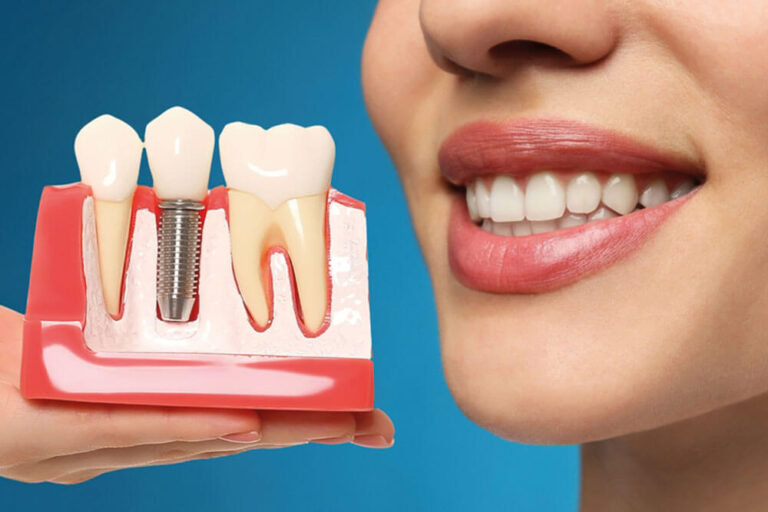
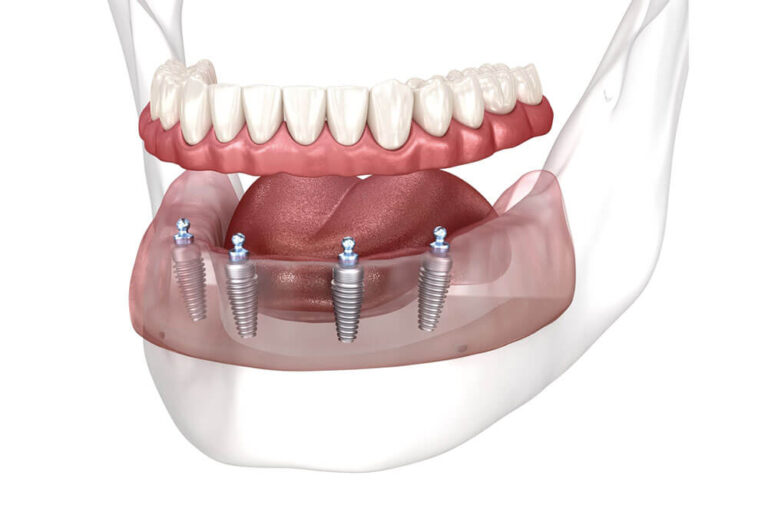
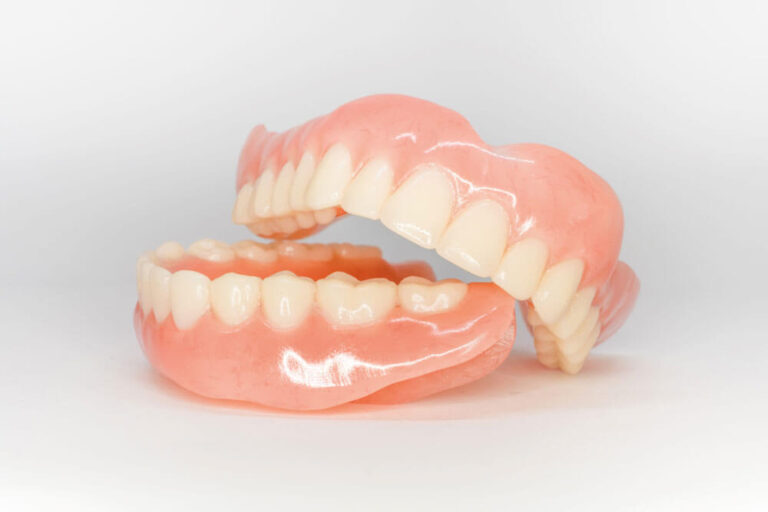
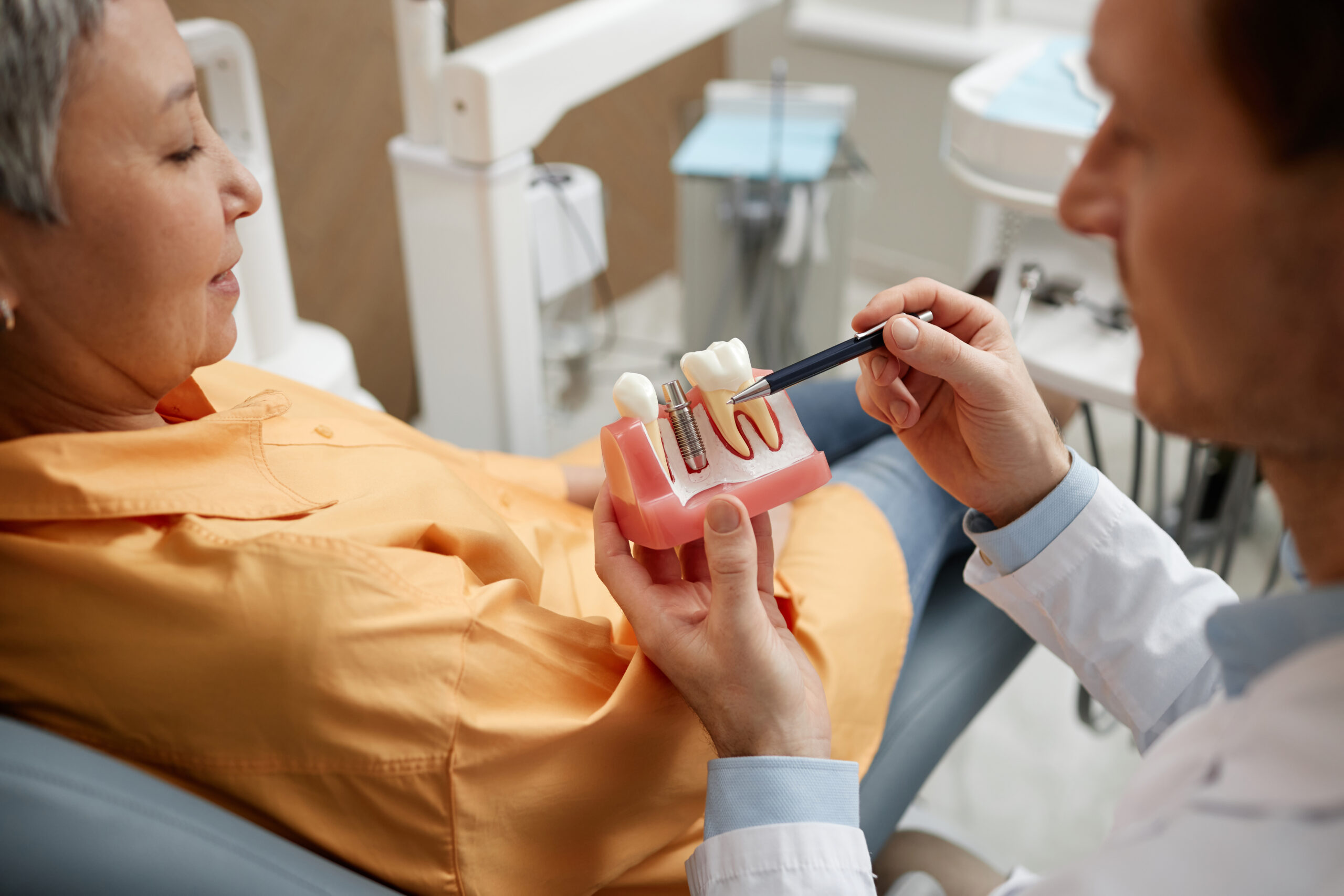
Permanent dentures are a type of implant-supported denture. Unlike traditional dentures, which rest on the gums and can be removed daily, permanent dentures are anchored in place with dental implants. This provides a more secure and natural feel. Unlike traditional dentures, they won’t slip or click.
In many cases, four to six implants are placed in the jaw, and a custom-made set of prosthetic teeth is secured to those implants. This system is sometimes referred to as All-on-4 or All-on-X dental implants.
It’s understandable to be worried about pain. By the time most people reach their 60s, they’ve powered through their share of uncomfortable experiences. Whether it was recovering from wisdom tooth removal, enduring a root canal, or even healing after a joint replacement or a bad fall. Dental work, in particular, can trigger memories of nerve sensitivity, sore jaws, or a lingering ache after an extraction.
But when people ask, “How painful is it to get permanent dentures?”, what they’re usually wondering is:
Let’s walk through each part of the process to answer these questions, especially the one many people ask first: Are implants painful? This will give you a realistic idea of what to expect.
The first step, meeting with your dentist for a consultation and imaging, is entirely painless. This stage involves:
You’ll likely feel more curiosity or anxiety than pain at this point. Rest assured, there are no needles, drills, or scalpels during this phase.
This is the part people worry about most. The good news? Dental implant surgery is usually less painful than people expect.
Here’s why:
Local Anesthesia Makes the Procedure Comfortable
Just like when you get a cavity filled, your dentist will numb the area with local anesthesia. You may feel pressure or vibration, but not pain, during the surgery itself. Some patients opt for sedation or general anesthesia, depending on their needs and medical history.
What About After the Surgery?
Once the anesthesia wears off, you may experience:
These side effects are normal and usually peak within 2–3 days, then improve quickly. Most people manage discomfort with over-the-counter medications like ibuprofen or acetaminophen.
This healing period is called osseointegration, where the implants fuse with your jawbone. It can take 3 to 6 months, but pain is not typically a constant issue throughout this phase.
Here’s what people usually report:
If you’re still wondering how painful is it to get permanent dentures, this part is often described as “tender” or “mildly annoying,” not severe.
After your implants have healed, the final step is placing the permanent denture. This is a non-invasive appointment, and there’s typically no pain involved. The custom teeth are securely attached, giving you a full, natural-looking smile.
Patients often report relief and excitement at this stage, finally being able to eat, talk, and smile with confidence again.
If you’re in your 60s or beyond and considering implant-supported dentures, it’s natural to wonder how painful is it to get permanent dentures. Many older adults worry that age may increase discomfort or slow healing. Fortunately, that’s not usually the case.
Pain levels after dental implant surgery tend to depend more on overall health and bone condition than age alone. In fact, many patients in their 60s, 70s, and even 80s report that the experience was far easier than expected. With proper planning, skilled care, and modern pain management techniques, most older adults handle the procedure and recovery quite well.
If you’ve had past dental work like extractions or root canals, the post-surgical discomfort from implants is often similar or even milder. Unlike traditional dentures, which can rub or slip, permanent dentures supported by implants offer lasting comfort once healing is complete.
So when you ask, “Are implants painful?”, remember that age doesn’t have to be a barrier to a more stable, confident smile.
Sometimes it helps to compare the experience of getting dental implants to other dental treatments you may already be familiar with. While everyone’s pain tolerance is different, many patients find that implant procedures are more manageable than expected and often less intense than some common alternatives.
Here’s how permanent dentures typically compare:
So, are implants painful? Yes, there can be some temporary discomfort after the implant surgery, but it’s often easier to manage than people imagine, and it usually doesn’t last long.
Knowing what to expect is helpful, but having a recovery plan makes all the difference. Here are tips to minimize discomfort:
They’ll provide specific post-op care tailored to your case. That might include:
Most people don’t need prescription meds. Ibuprofen is a favorite for reducing both pain and swelling.
Your body needs time to heal. Take it easy for the first few days, especially if you had multiple implants placed.
Smoothies, mashed potatoes, soups, and cooked-soft veggies will keep you nourished without irritating your gums.
For many people aged 65 and older, asking how painful is it to get permanent dentures isn’t just about physical pain, it’s also about uncertainty, vulnerability, and fear of regret.
Here’s some reassurance:
After the healing is over, most people say the short-term discomfort was worth the long-term gain. Permanent dentures:
Once again, if you’re asking, “Are implants painful?” remember: they can bring a lifetime of comfort after a short period of healing.
Final Thoughts: So, How Painful Is It to Get Permanent Dentures?
Let’s wrap it up with a realistic summary:
So when you ask, how painful is it to get permanent dentures, the most honest answer is: less than you probably think, and it doesn’t last long.
If you’re considering your next steps, take time to consult with a qualified dental provider who can walk you through your unique case with clarity and compassion. At Total Freedom Dental Implant Center, patients receive personalized care in a comfortable setting, with a team that understands both the physical and emotional sides of the process. You deserve to feel informed, empowered, and confident about your choices.
Total Freedom is a custom solution and one of the most well recognized dental implants providers in Scottsdale and Phoenix.
We’re about providing the treatment that best fits you. That could mean a full set of new teeth. It could mean fewer implants than you anticipated. It could mean you don’t require any implants at all. When we can save the teeth you have, that’s what we recommend.
People travel from all over the country to Arizona for consultations and treatment with Dr. Kaiser. It’s unquestionably worth the trip.
Whether you’re seeking a first or second opinion, or even if you decide to choose another dental provider, a consultation with Dr. Kaiser will provide you with invaluable insights into your unique dental situation and the available options. You won’t be disappointed.
info@totalfreedomdental.com
Both dental implants and dentures have their pros and cons. And both dentures and dental implants have come a long way in the past 10
What Dental Implants Look Like: A Complete Guide to Natural Smiles Have you ever asked yourself, what do dental implants look like once treatment ends?
How Much Do Dental Implants Cost? Worrying about price is normal. It’s like standing in an auto repair shop after hearing a strange engine noise: