
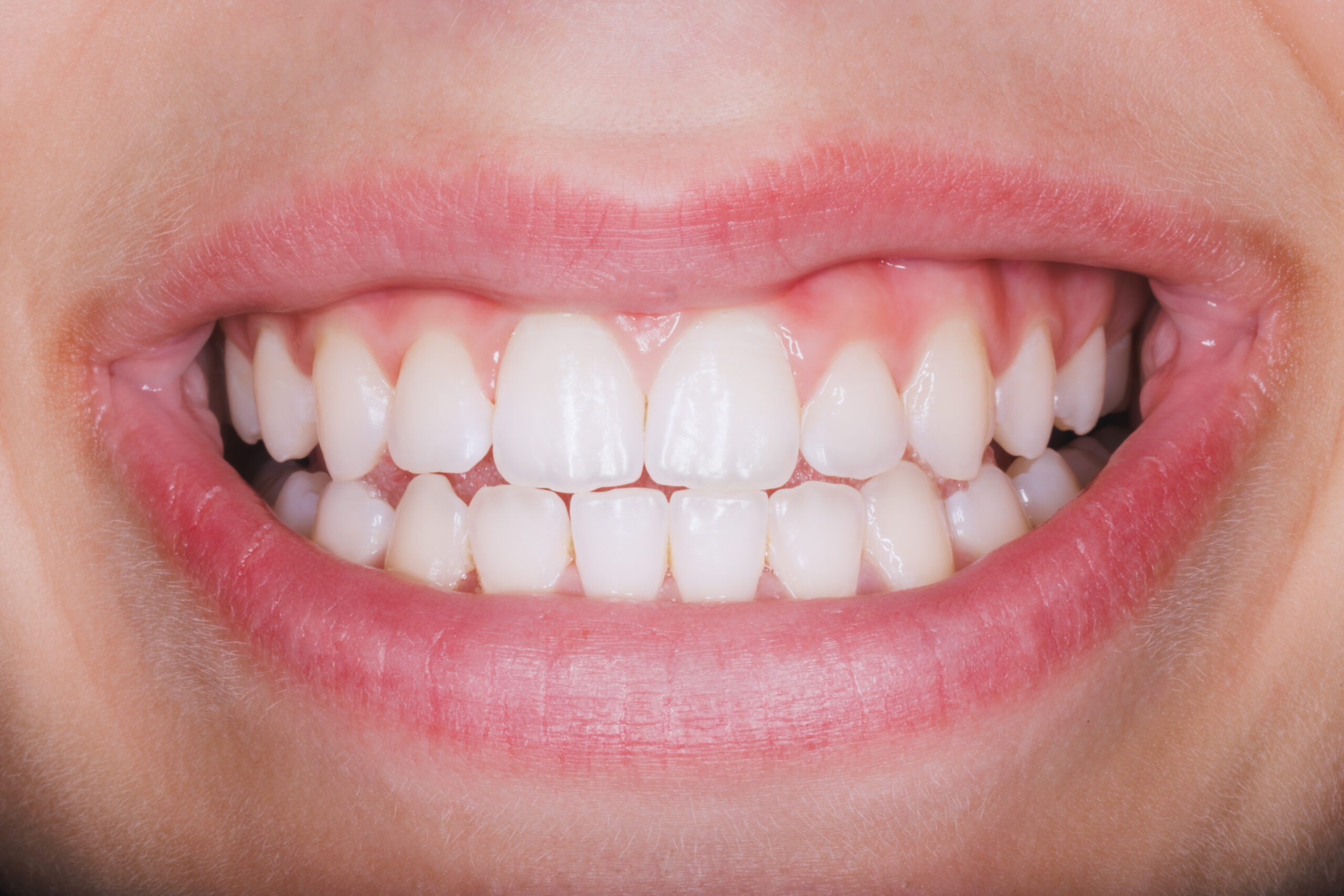
What do healthy gums look like? It’s a simple question, but an important one—especially if you’ve recently started thinking more seriously about your oral health. While teeth often get most of the attention, your gums are the foundation that keeps everything stable and supported. Recognizing the signs of healthy gums can help you catch early issues, prevent discomfort, and maintain a confident, lasting smile.
Healthy gums do more than hold your teeth in place. They play a key role in how your mouth feels every day—when you talk, chew, brush, or simply smile. They’re also one of the first things your dentist checks when evaluating your overall dental health. Yet for many people, gums are easy to overlook until something feels wrong.
If you’re not quite sure what’s normal and what’s not, this guide will help you understand what to look for and how to take care of your gums moving forward.
Understanding the signs of gum health is one of the best ways to protect your smile. In fact, gum health is about much more than looks. Healthy gums are the foundation of strong teeth, long-term oral comfort, and even your overall wellness. If you’re just beginning to explore your oral health, this article will guide you through everything you need to know clearly, calmly, and with practical tips you can use right away.
Your gums are like the unseen support beams of your smile. When they’re strong, they hold everything in place: your teeth, your bite, your ability to speak and eat comfortably. When they’re not, small problems can grow quietly over time, often without pain.
In fact, early gum disease (also called gingivitis) is often silent. You may not feel any discomfort until the condition is more advanced. That’s why being able to answer “What do healthy gums look like?” is one of the most important first steps you can take toward better oral health.
Unhealthy gums can also affect more than your mouth. Studies have shown connections between gum disease and systemic health issues such as heart disease, diabetes, and inflammation throughout the body. In other words, protecting your gums protects more than just your teeth.
Let’s start with the basics. If you’ve been wondering what do healthy gums look like, here’s how to identify them:
Healthy gums are usually coral pink in color, though this can vary slightly depending on your natural skin tone. The key is consistency. They shouldn’t be blotchy or have bright red or purplish patches.
They should feel firm and smooth, not swollen or shiny. A slight stippling (like the surface of an orange peel) is often present, especially near the teeth. Soft, puffy, or tender gums are a sign that something may be off.
Healthy gums have a gentle scalloped shape that fits snugly around each tooth. They don’t appear to sag, recede, or balloon out between the teeth.
You shouldn’t see any bleeding when you brush or floss. Occasional irritation can happen, but persistent bleeding is one of the earliest signs of gum trouble.
Healthy gums don’t hurt. If you’re experiencing regular sensitivity while brushing, chewing, or drinking, your gums may need a closer look.
Sometimes it’s not obvious. You may think your mouth is doing fine because there’s no pain, but there are subtle signs to watch for that suggest it’s time for a professional check-up.
These signs don’t always mean severe gum disease, but they do suggest that your gums may be inflamed or irritated. And the earlier you catch it, the easier it is to treat.
If you’re asking yourself what do healthy gums look like, one of the best things you can do is schedule a visit with a trusted dental provider. Even a quick check-up can provide you with the answers and peace of mind you’re looking for.
As the years go by, it’s natural for your body to change, and that includes your gums. Even people with excellent hygiene habits may notice their gums feeling drier, more sensitive, or less resilient than before.
Several factors play a role:
These changes don’t mean poor health, but they do mean it’s important to check in regularly. Paying attention to your gums and reflecting on what do healthy gums look like becomes even more important as you age, especially if you’re considering long-term dental solutions like implants.
If your gums are already healthy, the goal is to keep them that way. If they’re showing early signs of irritation, small changes at home can make a big difference. Here’s how to support gum health daily:
Use a soft-bristled toothbrush and gently brush at the gumline using small circular motions. Brushing too hard can damage your gums over time.
Flossing removes plaque and food particles from between the teeth that your brush can’t reach. If traditional floss is difficult to manage, consider floss picks or a water flosser.
Antibacterial rinses can reduce inflammation and kill harmful bacteria that linger after brushing.
Dry mouth can make gum problems worse. Drinking water throughout the day supports natural saliva production and keeps your mouth clean.
Crunchy vegetables, citrus fruits (in moderation), leafy greens, and foods high in vitamin C and calcium all support gum health. Try to limit sugary snacks and acidic drinks that can irritate the gums.
Even if your gums look and feel fine, professional cleanings and evaluations are essential. Some plaque hardens into tartar, which can’t be removed at home and leads to irritation. Seeing a dental professional every 6 months is ideal, but if it’s been longer, it’s never too late to start again.
Still uncertain about the question, “What do healthy gums look like?” A quick exam can confirm whether your daily habits are working and give you guidance if anything needs to improve.
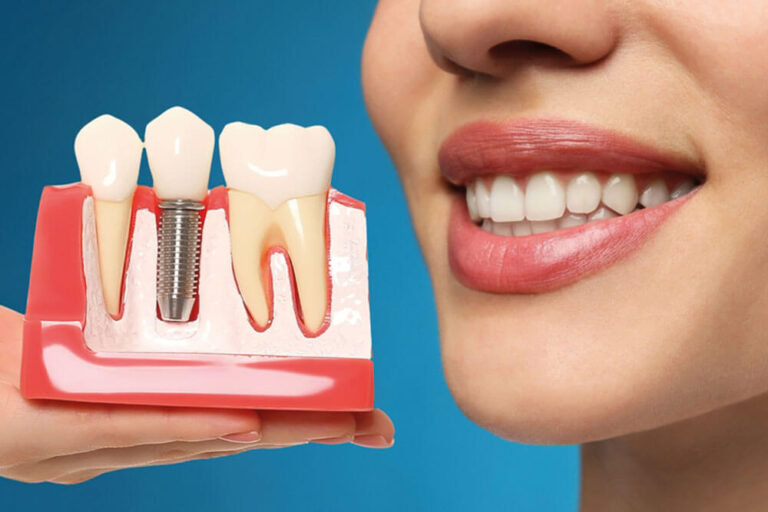
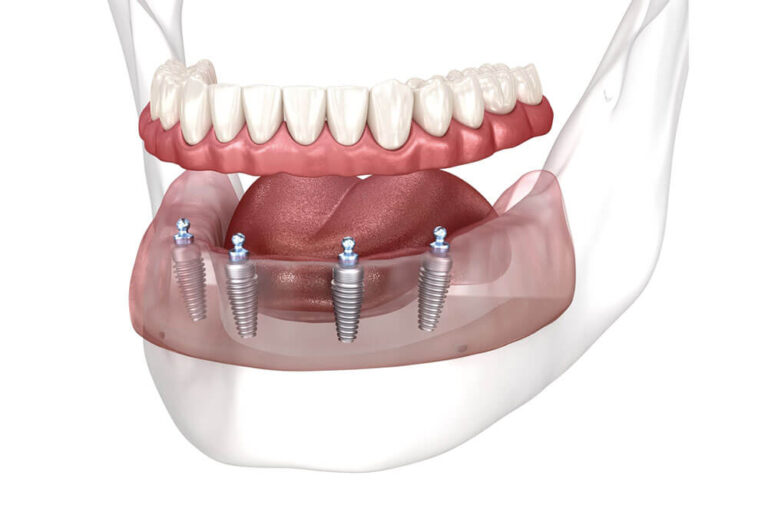
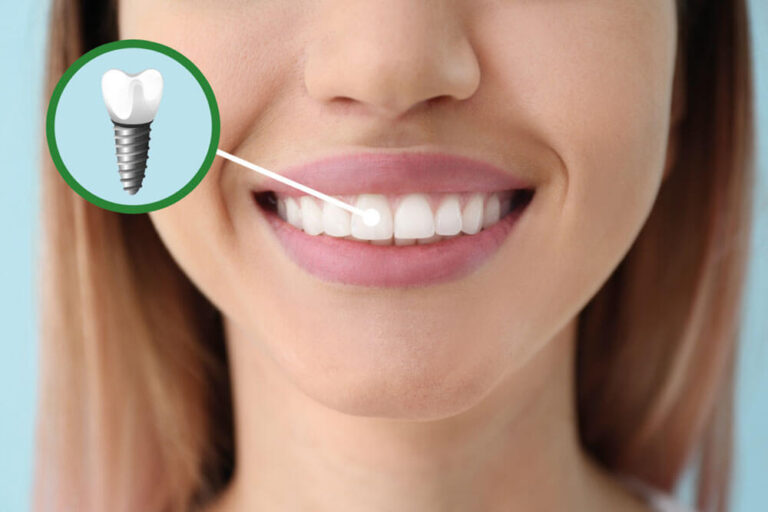
And if you’re considering treatments like dental implants, healthy gums are the first thing your provider will evaluate. Implants require a solid foundation, and that starts with healthy, infection-free gums.
There’s something empowering about understanding your health especially when it comes to something as personal as your smile. Learning about healthy gums gives you the language and insight to talk with your dentist, make better choices, and spot early warning signs before they grow into bigger issues.
Most importantly, it helps you stay in control. You don’t have to wait for pain to act. You can take charge now with simple habits, smart choices, and a little guidance.
If you’re reading this and realizing your gums might not be as healthy as they could be, that’s okay. The purpose of learning about healthy gums isn’t to make you feel bad; it’s to give you a clear path forward.
Gum problems are incredibly common and very treatable when caught early. Whether you’re dealing with early inflammation or more advanced symptoms, a compassionate dental team can help you get back on track without judgment or pressure.
Treatment options may include:
The first step is simply asking the question and reaching out to someone who can help you answer it with clarity and care.
So, what do healthy gums look like? They’re pink, firm, and fitted snugly around your teeth. They don’t bleed when brushed, and they don’t make you wince when you eat. They may not get as much attention as your teeth, but they play one of the most important roles in your oral health.
If you’re just starting to evaluate your dental health, looking at your gums is a great place to begin. And if you’re unsure what’s normal, it’s always okay to ask.
At Total Freedom Dental Implant Center, our goal is to make that first step simple and stress-free. Whether you’re focused on keeping your smile strong or exploring long-term solutions like dental implants, we’ll meet you where you are with clear answers and compassionate care.
Your smile is worth protecting. And healthy gums are where it all begins.
Total Freedom is a custom solution and one of the most well recognized dental implants providers in Scottsdale and Phoenix.
We’re about providing the treatment that best fits you. That could mean a full set of new teeth. It could mean fewer implants than you anticipated. It could mean you don’t require any implants at all. When we can save the teeth you have, that’s what we recommend.
People travel from all over the country to Arizona for consultations and treatment with Dr. Kaiser. It’s unquestionably worth the trip.
Whether you’re seeking a first or second opinion, or even if you decide to choose another dental provider, a consultation with Dr. Kaiser will provide you with invaluable insights into your unique dental situation and the available options. You won’t be disappointed.
info@totalfreedomdental.com
Both dental implants and dentures have their pros and cons. And both dentures and dental implants have come a long way in the past 10
What Dental Implants Look Like: A Complete Guide to Natural Smiles Have you ever asked yourself, what do dental implants look like once treatment ends?
How Much Do Dental Implants Cost? Worrying about price is normal. It’s like standing in an auto repair shop after hearing a strange engine noise: