
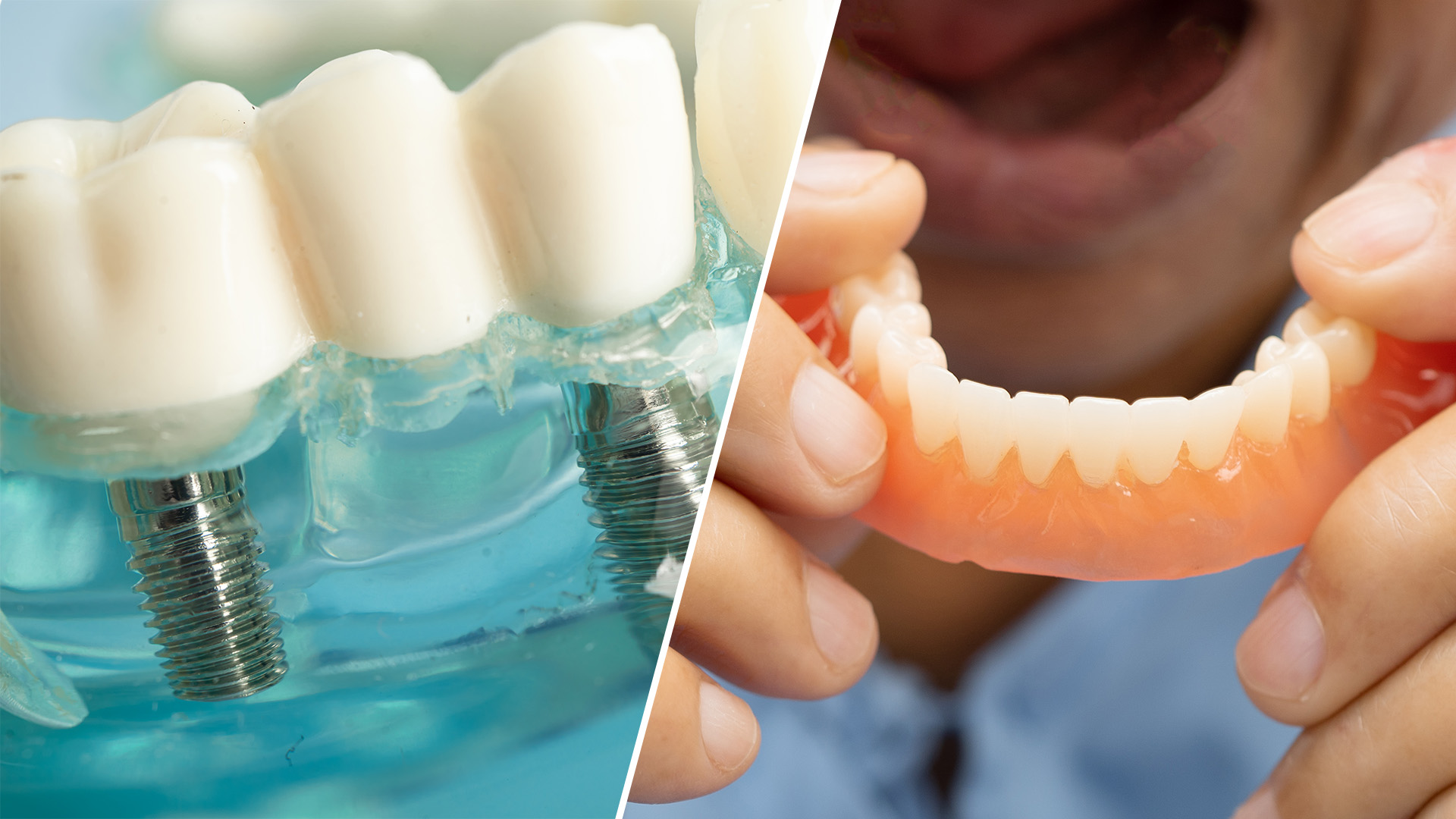
Both dental implants and dentures have their pros and cons. And both dentures and dental implants have come a long way in the past 10 years. Technological advances have led to a more comfortable, natural-looking, and customized fit for both dentures and implants. Key changes include the use of 3D imaging and printing for precise fitting, higher-quality materials like advanced resins and porcelain that resist wear and stains.
While both dental implants and dentures replace missing teeth, they solve the problem in fundamentally different ways. Dentures are a removable appliance, while implants become a permanent fixture in your mouth that stimulates your jaw bone and prevents bone loss.
In this article we will explore the pros and cons of each solution, so that you can make a choice that fits your health, lifestyle, and budget.
What Are Dentures?
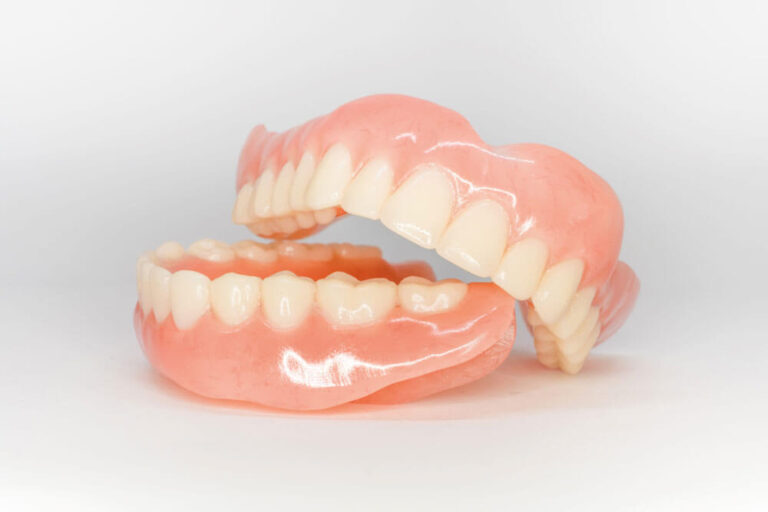
Dentures have been used for centuries, but modern versions look and feel far more natural than the ones your grandparents might remember. They are removable prosthetic appliances that rest on your gums, replacing missing teeth and surrounding tissue.
Types of Dentures
There are several types of dentures available:
Benefits and Limitations of Choosing Dentures
Denture Pros | Denture Cons |
Affordable upfront cost. Much cheaper than implants, even for a complete arch. Typically between $1,000 and $3,000 per arch. | Do not prevent bone loss. When teeth are missing, the jawbone no longer receives stimulation from tooth roots and naturally shrinks over time, which can lead to changes in facial shape. |
Quick solution. Can usually be fabricated and fitted within a few weeks, or next day, if the clinic has its own dental lab. | Lower chewing efficiency. Dentures restore only a portion of natural bite strength, making some foods difficult to eat. |
Good option for patients with bone loss or for those who cannot undergo surgery. | Require daily care. Must be removed, cleaned, and soaked each night to prevent odor and infection. |
Non-invasive procedure. No surgery or healing period required. | May need frequent adjustments or replacement. Typically last 5–8 years before relining or replacement is needed due to bone changes. |
What are Dental Implants?
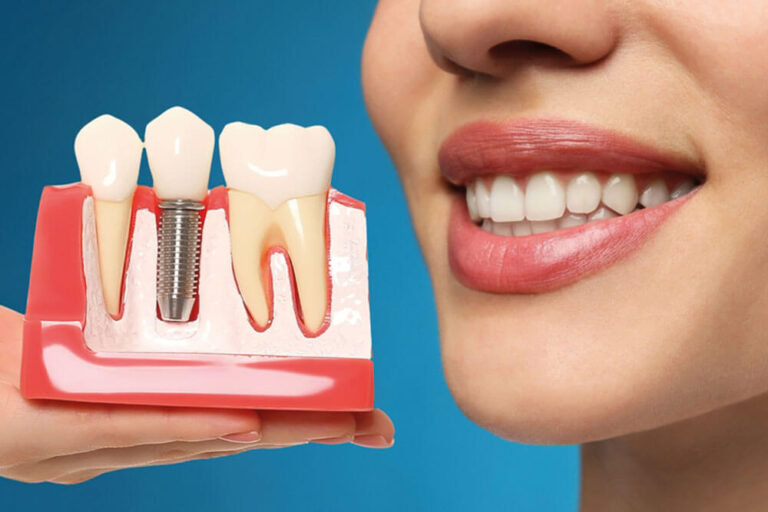
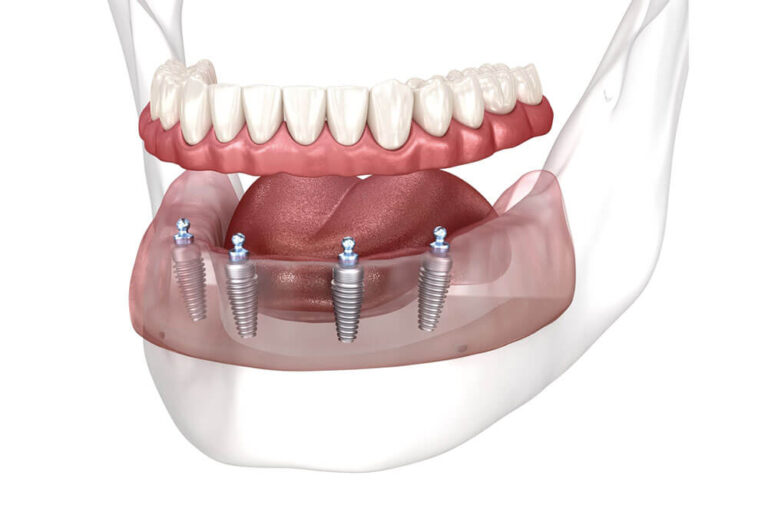
If you are looking for something that feels as close to natural teeth as possible, dental implants are the best option. A dental implant is connected to a small titanium post that’s surgically placed into the jawbone. Once healed, it becomes part of your bone structure, essentially a new root that supports a crown or bridge. A full arch will require 4 to 6 of these posts.
In some cases, when the jawbone isn’t thick or strong enough to support an implant, a bone graft may be recommended. This procedure rebuilds or strengthens the bone using natural or synthetic materials, creating a solid foundation so the implant can properly fuse and last long-term.
implants require more preparation but offer greater long-term stability.
Types of Dental Implants
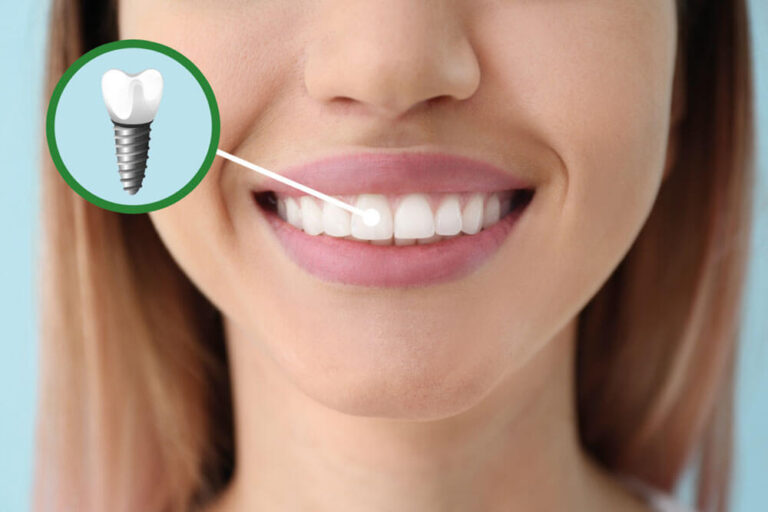
Single-Tooth Implant: A titanium post replaces one missing tooth root and supports a single crown.
Benefits and Limitations of Choosing Dental Implants
Dental Implant Pros | Dental Implant Cons |
Prevent jawbone loss. The implant post stimulates the bone, helping maintain facial shape and prevent bone resorption. | Higher upfront cost. A single tooth implant typically costs $3,000, with a full arch costing around $20,000. |
Superior chewing function. Restores up to nearly full natural bite strength, which allows patients to eat comfortably. | Surgical procedure required. Placement involves minor oral surgery and 1-2 weeks until the swelling and bruising heals and 3–6 months for the implants to fuse with the jaw. |
Long-term investment. With proper care, implants can last 20 years or even a lifetime. | Risk of complications. In rare cases, infection or poor bone integration can lead to implant failure. |
Look, feel, and function like natural teeth. Implants blend seamlessly into your gums and are cleaned and maintained just like regular teeth. | Bone requirement. Adequate jawbone density is needed for success; bone grafting may be necessary before placement. |
The dental implants vs dentures cost varies widely depending on how many teeth are being replaced, your location, and whether additional procedures are needed.
On average, a traditional set of dentures costs between $1,000 and $3,000 per arch. Dental implants, by contrast, typically range from $3,000 to $5,000 per tooth, or around $15,000 to $25,000 for a full arch supported by several implants.
Dentures are cheaper, but won’t stop the jaw bone from deteriorating and they can make foods such as tough meats, crunchy raw vegetables, nuts, and crusty bread difficult to eat. They also need to be taken out and cleaned each night and they will need to be replaced every 5 to 10 years.
Dental implants cost quite a bit more upfront, and require minor surgery. However, they’re built to last decades, they integrate with your jaw bone and are cleaned like regular teeth, through regular brushing and flossing.
A transparent implant expert will show you both estimates side by side and explain any possible add-on costs like anesthesia, bone grafting, or custom lab work. That clarity helps you make a confident, informed choice.
If you want a fixed, long-lasting solution and have good bone density, implants are often the top recommendation. Reviewing the pros and cons of dental implants vs dentures with your dentist can clarify which option truly aligns with your goals and comfort level. They work well for younger or middle-aged adults who plan to maintain them over time.
Dentures, on the other hand, are a better fit for patients who prefer a non-surgical route or who may not have enough bone for implants. They’re also a smart choice for those wanting a temporary or transitional option before pursuing implants later.
Either way, transparency is key. A good dentist won’t push one option. Instead, they’ll walk you through every step, from candidacy and healing to the full dental implants vs dentures cost estimate.
When it comes to dental implants vs dentures, there’s no universal “best.” There’s only what’s best for you. Both can restore your smile beautifully. The difference lies in how long you want your results to last, how much you’re ready to invest now, and how involved you want your treatment to be.
The most important step you can take is to find a dentist who values honesty as much as expertise, one who’s willing to explain every option transparently so you can choose what truly fits your life.
For more trusted guidance, visit the American Dental Association (ADA) or talk with a local periodontist who can provide a personalized, side-by-side comparison of your options.
1. Age and Lifestyle
Younger, active patients may value the permanence of implants, while older adults or those seeking an affordable, non-surgical option often prefer dentures.
2. Bone Health
Implants need sufficient jawbone for support. If you’ve experienced bone loss, bone grafting or implant-supported dentures may bridge the gap.
3. Long-Term Investment
While dentures win on short-term affordability, implants often save money in the long run. Always assess dental implants vs dentures cost over 10–20 years, not just the first few.
4. Time and Healing
Dentures can be ready in weeks, while implants require surgery and healing before the crown is attached. This difference in treatment time is one of the biggest factors patients weigh when comparing dental implants vs dentures.
5. Oral Hygiene Habits
Implants are simpler to maintain daily, while dentures need special cleaning and soaking.
Myth: Dentures always look fake.
Reality: Modern dentures look realistic and fit comfortably.
Myth: Implants are painful.
Reality: Performed under anesthesia, most patients report minimal discomfort.
Myth: Dentures are only for seniors.
Reality: Partial dentures and overdentures suit many adults.
Myth: Implants never fail.
Reality: Rare failures can occur if the bone doesn’t integrate or if hygiene is poor.
Taking time to understand the pros and cons of dental implants vs dentures helps set realistic expectations and avoid these common misconceptions.
Are dental implants painful compared to dentures?
Implants involve surgery, but pain is minimal with anesthesia. Dentures don’t involve surgery, but can cause gum soreness.
Which option looks more natural?
Implants look and feel most like real teeth.
Can dentures or implants be covered by insurance?
Many dental insurance plans cover part of the cost of dentures, but implant coverage is limited.
How long does it take to get dental implants vs dentures?
Dentures can be made in weeks, while implants may take several months due to healing.
What if I don’t have enough bone for implants?
Bone grafting can make implants possible.
Can I switch from dentures to implants later?
Yes, many patients start with dentures and later upgrade to implants.
Choosing between dental implants vs dentures comes down to your goals, health, and budget. Dentures provide a fast, affordable solution, while implants offer lasting comfort and a natural look. When you compare the dental implants vs dentures cost and consider the pros and cons of dental implants vs dentures, it becomes clear that the best choice is the one that fits your individual needs. A consultation with your dentist can help you decide which option will restore your smile and confidence for years to come.
Total Freedom is a custom solution and one of the most well recognized dental implants providers in Scottsdale and Phoenix.
We’re about providing the treatment that best fits you. That could mean a full set of new teeth. It could mean fewer implants than you anticipated. It could mean you don’t require any implants at all. When we can save the teeth you have, that’s what we recommend.
People travel from all over the country to Arizona for consultations and treatment with Dr. Kaiser. It’s unquestionably worth the trip.
Whether you’re seeking a first or second opinion, or even if you decide to choose another dental provider, a consultation with Dr. Kaiser will provide you with invaluable insights into your unique dental situation and the available options. You won’t be disappointed.
Fill out the form below and a member of our team will reach out to confirm your appointment shortly!
Both dental implants and dentures have their pros and cons. And both dentures and dental implants have come a long way in the past 10
What Dental Implants Look Like: A Complete Guide to Natural Smiles Have you ever asked yourself, what do dental implants look like once treatment ends?
How Much Do Dental Implants Cost? Worrying about price is normal. It’s like standing in an auto repair shop after hearing a strange engine noise: