


The phrase “dental implants” often conjures images of a later stage in life, a solution for age-related missing teeth. But this perception couldn’t be further from the truth. If you’re in your 20s, 30s, or 40s and have experienced tooth loss due to an accident, sports injuries, or perhaps choices you now regret, dental implants offer a robust, long-term solution to restore your smile, confidence, and overall oral health. This isn’t just about replacing a missing tooth; it’s about investing in your future.
Tooth loss not only affects people later in life, but it can also happen at any age. If you’ve lost a tooth or multiple teeth, you don’t have to live with gaps, bridges, or removable dentures. Dental implants offer a modern and lasting solution that restores your smile, confidence, and full functionality.
This article breaks down why implants aren’t just for older adults and how they can benefit your health, lifestyle, and future.
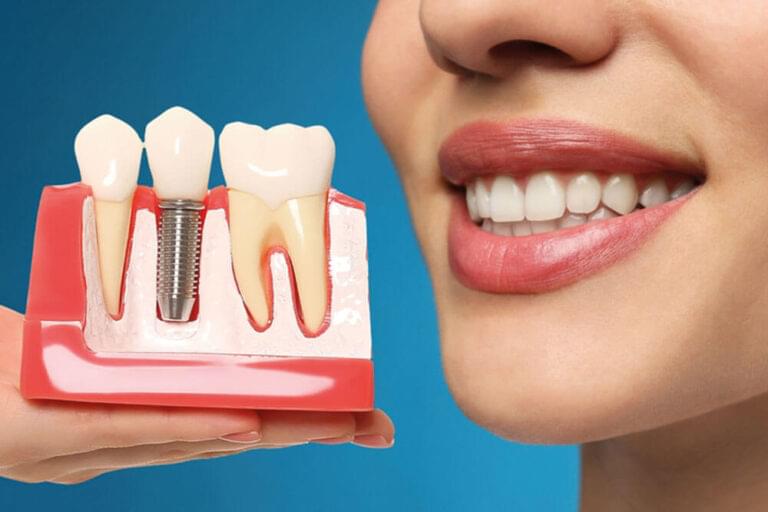
A dental implant replaces the root of a missing tooth. The implant itself is a small titanium post placed into your jawbone. Once it bonds with the bone—a process called osseointegration—a custom crown is attached to the top. The result looks, feels, and functions like a natural tooth.
Implants can also support bridges or full-arch restorations if you have several missing teeth. They stand alone, don’t damage nearby teeth, and offer the longest-lasting solution available in modern dentistry.

Let’s shatter the myth that tooth loss is solely a concern for older generations. Life happens, and sometimes, our teeth bear the brunt. For individuals between 25 and 45, the reasons for missing teeth can vary significantly:
So, you’ve lost a tooth. What are your options? While bridges and removable partial dentures exist, dental implants stand out as a superior, long-term solution, especially for younger, active individuals. Here’s why:

Other solutions exist—but they come with trade-offs:
Dental implants fix the problem at the root. They act like your natural tooth, from the crown down to the bone. You don’t have to worry about adhesives, clicking sounds, or taking them out at night.
One of the most common questions we hear from patients in their 20s, 30s, and 40s is, “Am I too young for a dental implant?” The answer is a resounding no. In fact, your younger age often presents advantages:
The dental implant process involves several steps, but the journey is straightforward when handled by a skilled implant specialist.
Step 1: Consultation and Planning
Your provider will evaluate your dental health, take X-rays or 3D scans, and check your bone density. If the bone needs reinforcement, they may recommend a bone graft first.
Step 2: Implant Placement
The oral surgeon or dentist places the implant into the jawbone during an outpatient procedure. Most people return to work the next day with only mild discomfort.
Step 3: Healing Period
Osseointegration takes several weeks to a few months to occur. During this time, the bone grows around the implant, securing it in place.
Step 4: Abutment and Crown Placement
Once healed, the dentist attaches an abutment— a small connector —and then places a crown that looks and feels like a natural tooth.
You end up with a permanent, stable tooth that blends in with the rest of your smile.

Choosing dental implants means more than just replacing a missing tooth. You improve your quality of life in noticeable ways:
Most healthy adults between 25 and 45 qualify for dental implants. You may be a good candidate if you:
If you’re unsure, a dental implant consultation can help determine if this option is right for you.

Q: Will people be able to tell I have an implant?
No. Implant crowns match your natural teeth in color, shape, and size. Most people never notice the difference.
Q: Do I need to take special care of it?
No. Brush and floss like normal. Routine dental cleanings help keep the gums around your implant healthy.
Q: How long will it last?
With good oral hygiene, many implants last 25 years or more. In some cases, they last a lifetime.
Q: Is it painful?
Most people report mild discomfort after the implant surgery, similar to having a tooth pulled. Over-the-counter pain relievers usually manage it well.
Q: What if I lost multiple teeth?
Implants can support bridges or full-arch solutions like All-on-4®, which replace several teeth using fewer implants.
Dental implants offer a modern, proven solution for adults who’ve lost teeth, regardless of age. If you’re between 25 and 45 and have dealt with tooth loss from an injury, decay, or past dental issues, you don’t have to wait or settle for temporary fixes.
Restoring your smile with dental implants means you’ll protect your oral health, avoid future complications, and regain full function. Whether you’re building your career, starting a family, or staying active in your community, implants support your lifestyle with strength and confidence.
Thinking about your next step? A consultation with a qualified implant dentist will give you clear answers about your options, costs, and personalized treatment plan.
You’re not too young for a permanent solution. You’re just right on time.

Total Freedom is a custom solution and one of the most well recognized dental implants providers in Scottsdale and Phoenix.
We’re about providing the treatment that best fits you. That could mean a full set of new teeth. It could mean fewer implants than you anticipated. It could mean you don’t require any implants at all. When we can save the teeth you have, that’s what we recommend.
People travel from all over the country to Arizona for consultations and treatment with Dr. Kaiser. It’s unquestionably worth the trip.
Whether you’re seeking a first or second opinion, or even if you decide to choose another dental provider, a consultation with Dr. Kaiser will provide you with invaluable insights into your unique dental situation and the available options. You won’t be disappointed.
info@totalfreedomdental.com
Both dental implants and dentures have their pros and cons. And both dentures and dental implants have come a long way in the past 10
What Dental Implants Look Like: A Complete Guide to Natural Smiles Have you ever asked yourself, what do dental implants look like once treatment ends?
How Much Do Dental Implants Cost? Worrying about price is normal. It’s like standing in an auto repair shop after hearing a strange engine noise: