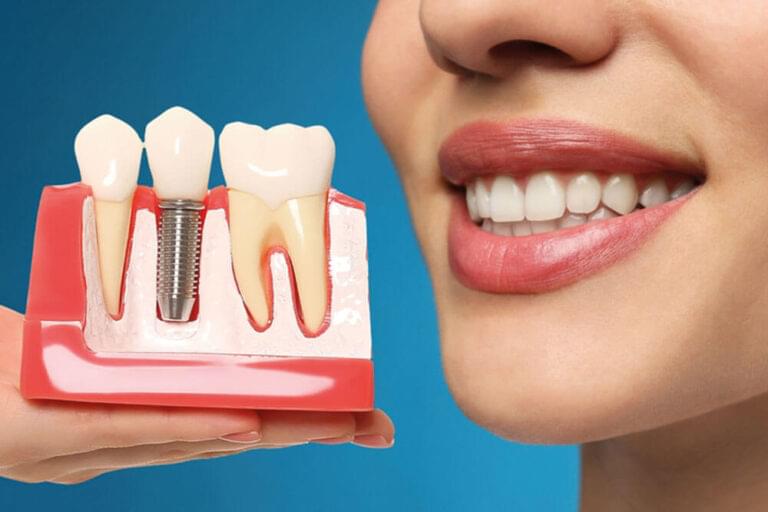



You wake up, reach for your dentures, and—uh oh—they’re missing. Or maybe you find them, but something feels off. You’re dealing with loose dentures that don’t sit right anymore. They slip when you laugh, or you can’t chew the way you used to. Sound familiar?
If you’re over 65, you’re not alone. Many people go through this. Dentures can shift, wear down, or even vanish when you need them most. So, what’s going on—and what can you do about it?
Let’s break it down and explore your options, including one solution many people are turning to: dental implants.
At first, dentures might seem like a good fit—literally. But over time, a few things change. As you go about your daily life, your mouth and habits evolve, which can cause loose dentures and make them feel less secure. They might shift unexpectedly, or you might even lose track of them entirely.

It’s not just about comfort. When your dentures stop working, your health can take a hit.
The truth is: dentures might feel like a solution at first. But if they’re no longer doing the job, they can quickly become a problem.
When dentures stop working the way they should, it’s not just your mouth that’s affected—it’s your whole life. Daily routines become harder. You might start declining lunch dates or skipping group events because you’re afraid your dentures will slip or fall out. For many, it’s easier to stay home than to deal with the embarrassment or discomfort.
Even simple joys like biting into a crisp apple or enjoying a steak can feel out of reach. Over time, that sense of limitation wears on you. It’s not just about chewing—it’s about independence, freedom, and confidence. The foods you love, the conversations you enjoy, the people you laugh with—they all take a hit.
You might also notice subtle changes in how you carry yourself. Maybe you don’t smile as much. Maybe you hesitate to speak up in a crowd. It’s easy to downplay these changes, but they matter. Your sense of self, your energy, your confidence—they’re all connected to how you feel day to day.
And let’s not forget the emotional toll. Losing teeth was hard enough. Losing trust in your dentures shouldn’t be the next hurdle.
But here’s the good news: you don’t have to keep adjusting your life to fit your dentures. It’s time to explore options that fit you.

You don’t have to keep struggling. Let’s look at a few choices that people just like you consider when their dentures no longer work.
Option 1: Get New Dentures
This may seem like the easiest fix, and for some, it is. A new set of dentures, properly fitted, can feel like a relief.
But it’s important to know:
If you’re okay with the upkeep and like the removable option, this could be a good choice for you. Just be ready for future replacements.
Option 2: Denture Reline or Repair
If your dentures are still in good shape but just don’t fit, a reline might help. A dentist can add material to the base to help them sit more comfortably.
This works if:
But this is often a short-term fix. If your jaw keeps changing, you’ll likely need a full replacement later.
Option 3: Implant-Supported Dentures
Now we’re talking about something a little different.
Implant-supported dentures snap into small anchors placed in your jawbone. They don’t come loose when you eat or talk. You can take them out to clean, but they feel secure, like part of your mouth.
People love these because:
Yes, there’s a bit more work up front, but for many, the comfort and peace of mind are worth it.
Option 4: Full Dental Implants
If you’re ready for a big change, full dental implants might be your best long-term option.
Here’s how they work:
This option:
Yes, it costs more upfront. But many people think of it like investing in a good car or a quality mattress. You use it every day. It should work right and feel good.

Let’s ask a few simple questions:
If you answered “yes” to even one of these, it’s worth talking to a dental professional—especially one who knows implants inside and out.
They can examine your mouth, check your bone health, and explain your options in a way that makes sense to you. No pressure. Just facts.
Let’s be real—cost matters. You worked hard your whole life. You don’t want to throw money away.
Dentures seem cheaper at first. But when you add up the replacements, the repairs, the cleaners, and the stress? It adds up fast.
Dental implants can seem expensive, but many people don’t realize that:
The right office will walk you through the costs with total transparency—no surprise fees, no rushed decisions.

You’ve done the hard part—raising families, building careers, and staying strong through life’s curveballs. You shouldn’t have to settle for teeth that disappear or slip when you speak.
Whether you want something simple or something permanent, today’s options are better than ever. And if dental implants sound like something worth learning more about, you’re not alone.
If you’re tired of missing dentures, slipping plates, or feeling unsure every time you chew, it might be time to look into other options.
Dental implants are one solution many people consider for a more secure, comfortable fit. But the right choice depends on your unique needs and goals.
Start by talking to your dental professional. Ask questions. Share your concerns. A good dentist will listen, explain your options clearly, and help you figure out what works best for your health and lifestyle, without pressure or judgment.
Because you deserve to eat, smile, and speak with confidence.
Still not sure? That’s okay. Keep your options open, but don’t let dentures slow you down or hold you back from living a full life. You’ve earned a better experience—and we’re here to help you find it.

Total Freedom is a custom solution and one of the most well recognized dental implants providers in Scottsdale and Phoenix.
We’re about providing the treatment that best fits you. That could mean a full set of new teeth. It could mean fewer implants than you anticipated. It could mean you don’t require any implants at all. When we can save the teeth you have, that’s what we recommend.
People travel from all over the country to Arizona for consultations and treatment with Dr. Kaiser. It’s unquestionably worth the trip.
Whether you’re seeking a first or second opinion, or even if you decide to choose another dental provider, a consultation with Dr. Kaiser will provide you with invaluable insights into your unique dental situation and the available options. You won’t be disappointed.
info@totalfreedomdental.com
Both dental implants and dentures have their pros and cons. And both dentures and dental implants have come a long way in the past 10
What Dental Implants Look Like: A Complete Guide to Natural Smiles Have you ever asked yourself, what do dental implants look like once treatment ends?
How Much Do Dental Implants Cost? Worrying about price is normal. It’s like standing in an auto repair shop after hearing a strange engine noise: